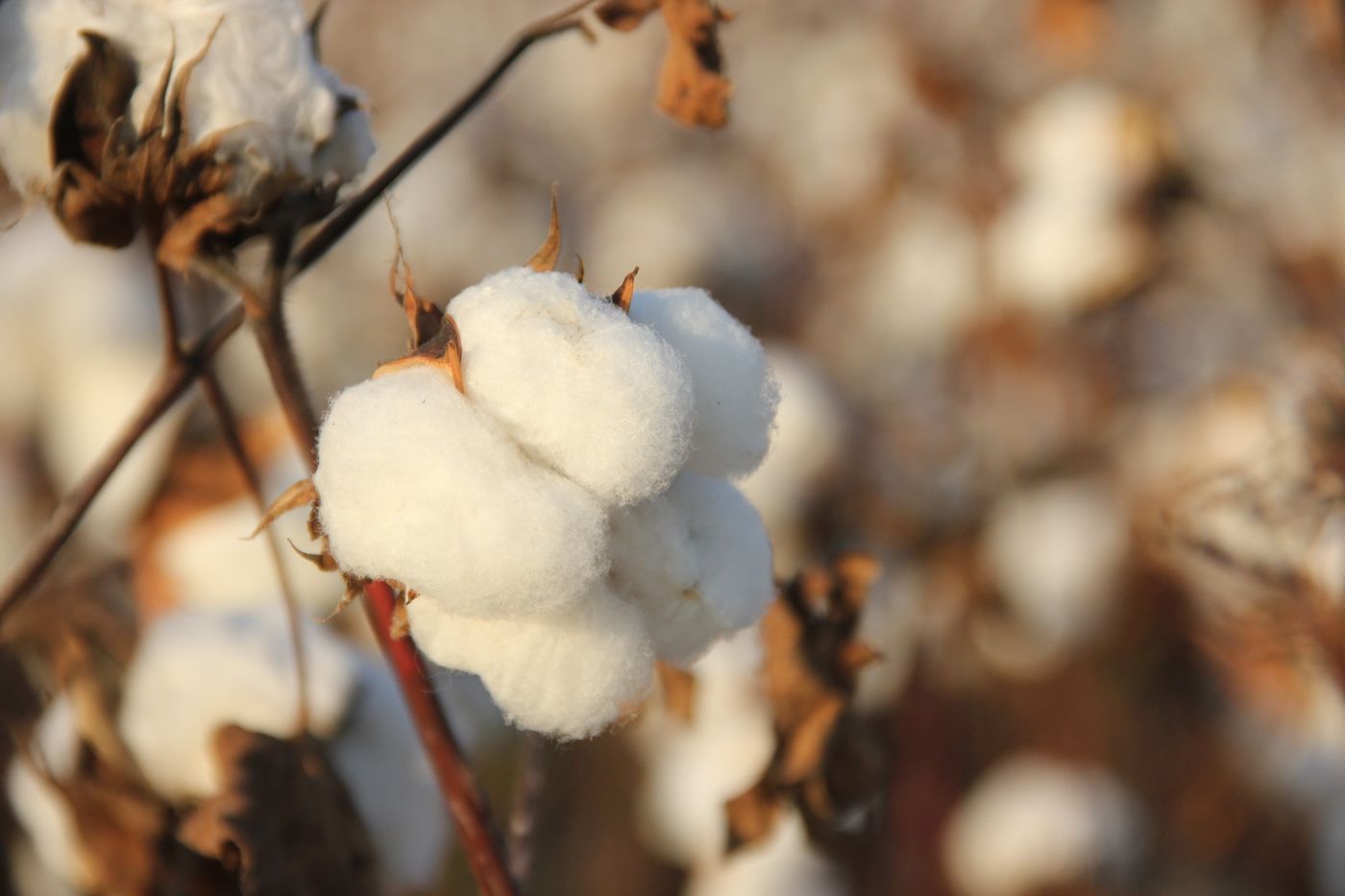
The simple appeal of woven cotton boxers
Classic woven boxers are not trying to be athletic compression shorts. They are loose-fitting, breathable, and made for everyday comfort. For men who dislike tight synthetic underwear, a 100% cotton woven boxer can feel like a return to sanity.
The best pairs usually have three things going for them: real cotton fabric, a comfortable waistband, and enough room to move without feeling sloppy.
What textile research says about comfort
Underwear comfort is not only a “cotton vs. synthetic” argument. A 2023 textile study on underwear fabrics evaluated air permeability, water-vapor permeability, moisture transport, stretch, recovery, thickness, and structure. The takeaway: fiber content matters, but so do weave or knit structure, fabric thickness, porosity, and fit.
For everyday buyers, the package label is step one. Shape, looseness, waistband, fabric weight, and construction all affect how a pair feels after a full day.
What to look for
| Feature | Why it matters |
|---|---|
| 100% cotton | Simple natural fiber; no polyester/spandex blend as the main fabric. |
| Woven construction | Feels more like lightweight shirting than compression underwear. |
| Clear packaging | Fiber content, size, quantity, and brand should be easy to verify. |
| Sealed multipack | Cleaner resale buy and usually better value than singles. |
| Known brand | Better sizing trust and less risk than mystery generic packs. |
| Right size | Loose boxers should fit comfortably without excess bunching or waistband pressure. |
Woven boxers vs. stretch boxer briefs
Stretch boxer briefs are popular because they stay in place and work well under slim pants or workouts. Woven boxers prioritize airflow, looseness, and old-school comfort. One is not automatically better; they solve different problems.
- Choose woven cotton boxers for lounging, sleeping, relaxed daily wear, and breathable comfort.
- Choose stretch boxer briefs for workouts, compression, or tighter pants where fabric movement matters.
Boxers, heat, and testicular comfort
The testicular-health angle is real, but easy to overstate. Normal sperm production is temperature-sensitive, and looser underwear may allow more ventilation than tight briefs or compression-style boxer briefs.
A 2018 Human Reproduction study of 656 men at a fertility center found that men who reported usually wearing boxers had higher sperm concentration and total sperm count than men who did not primarily wear boxers. The study was observational and self-reported, so it does not prove boxers caused the difference.
Not every study points the same direction. More recent reviews summarize the overall evidence as mixed: fit and heat may matter, but underwear choice alone is unlikely to determine fertility outcomes for most men.
Our view: choose woven boxers for comfort, airflow, and less compression — not because underwear is a guaranteed fertility treatment.
Microplastics, synthetic fabrics, and what we actually know
Microplastics have been detected in human male reproductive tissue and semen, but that does not prove synthetic underwear is putting microplastics into anyone’s testicles. Known exposure routes are broader: food, water, air, dust, packaging, and general plastic contact.
Practical stance: if you want less plastic in close-contact clothing, 100% cotton woven boxers are a reasonable low-plastic alternative. Do not confuse that with a detox, fertility cure, or proven way to remove microplastics from the body.
For sensitive skin: keep the claims honest
Clinical and dermatology sources commonly discuss fabric choice for eczema-prone or irritation-prone skin. Cotton and fine-weave materials are often recommended for comfort, while rough fabrics, heat, sweat, tightness, dyes, and finishing chemicals can contribute to problems for some people.
But underwear is not medicine. If you have persistent rash, itching, pain, infection symptoms, or dermatitis, talk to a qualified clinician.
Banana Republic 100% cotton woven boxer 3-pack
Current availability links to an honest resale listing for genuine Banana Republic product, not a private-label brand. Current known sizes are M, L, and XL.
Review details and availabilityBottom line
If you want underwear that feels simple, breathable, and non-fussy, 100% cotton woven boxers are still worth considering. They are not performance gear. That is kind of the point.
References behind this guide
- DermNet NZ, “Textile contact dermatitis” — clothing-related irritation, allergens, friction, sweat, and close-contact areas.
- Zulifqar et al., “Study of physical, moisture-management and stretch properties of underwear fabrics,” Industria Textila, 2023. DOI: 10.35530/IT.074.04.2022101.
- “Fabric Selection in Atopic Dermatitis: An Evidence-Based Review”.
- Mínguez-Alarcón et al., Human Reproduction, 2018. DOI: 10.1093/humrep/dey259.
- Hu et al., Toxicological Sciences, 2024. DOI: 10.1093/toxsci/kfae060.